
The 3Rs and animal welfare: insights into animal research and alternative methods
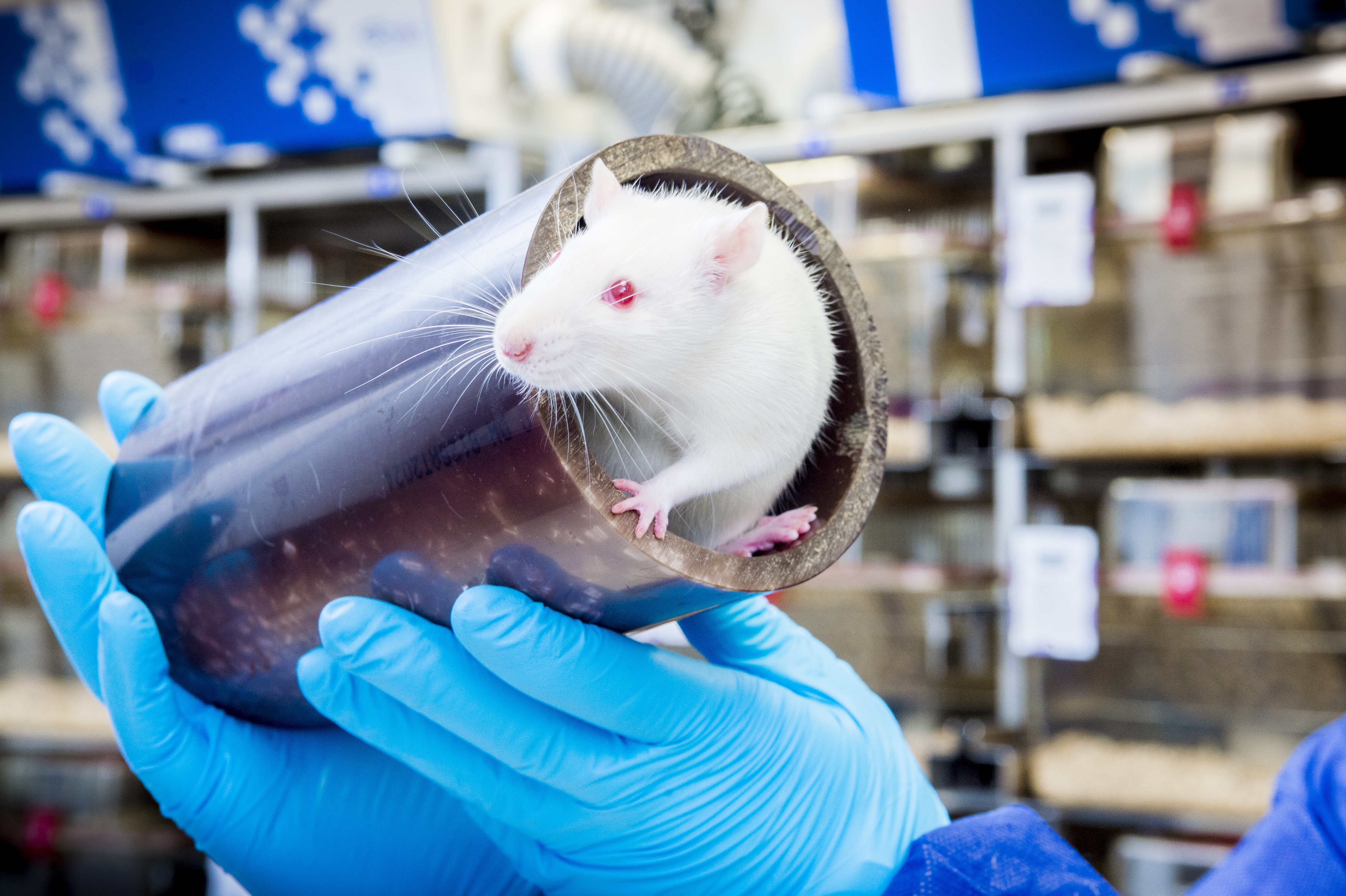
In collaboration with Life Science Zurich, the University of Zurich and ETH Zurich invite secondary school classes and other interested groups to gain first-hand insight into animal-based research. In addition to laboratories where animals are used, other facilities open their doors – such as the Laboratory Animal Services Centre, which is responsible for the breeding, housing and care of laboratory mice and rats. Visitors can also have the opportunity to tour research units that are working on alternatives to animal testing and implementing the 3Rs principles (Replace, Reduce, Refine), with the aim of developing less invasive and more responsible research approaches.
The tours demonstrate how research involving animals is regulated by law, how animal welfare is put into practice in day-to-day research, and how universities support progress towards responsible research that takes animal welfare into account. At the same time, there is the tours provide ample opportunity for discussion and for visitors to ask questions.
The following labs and centers are offering tours
Focus on animal research
- UZH Laboratory Animal Services Center: Breeding and housing of laboratory animals
- UZH Institute of Physiology / Zurich Integrative Rodent Physiology (ZIRP): Insights into animal husbandry, animal welfare, and responsible research
- UZH Department of Molecular Life Sciences - Neurobiology: Investigating human diseases using zebrafish
- UZH Institute of Pharmacology and Toxicology: Fundamental research into energy metabolism in the brains of mice
- ETH Animal Nutrition Research Group at AgroVet Strickhof - Nutritional physiology and metabolism of farm animals
- UZH Institute of Veterinary Physiology: Neuroscience research on the regulation of food intake and metabolic diseases in rodent models
- UZH Institute of Anatomy: Basic research on kidney development and diseases using genetically modified tadpole models
- UZH Nano-antibody Service Facility (NSF): core facility for production and selection of highly specific single-domain camelid antibody fragments
UZH Laboratory Animal Services Center: Breeding and housing of laboratory animals
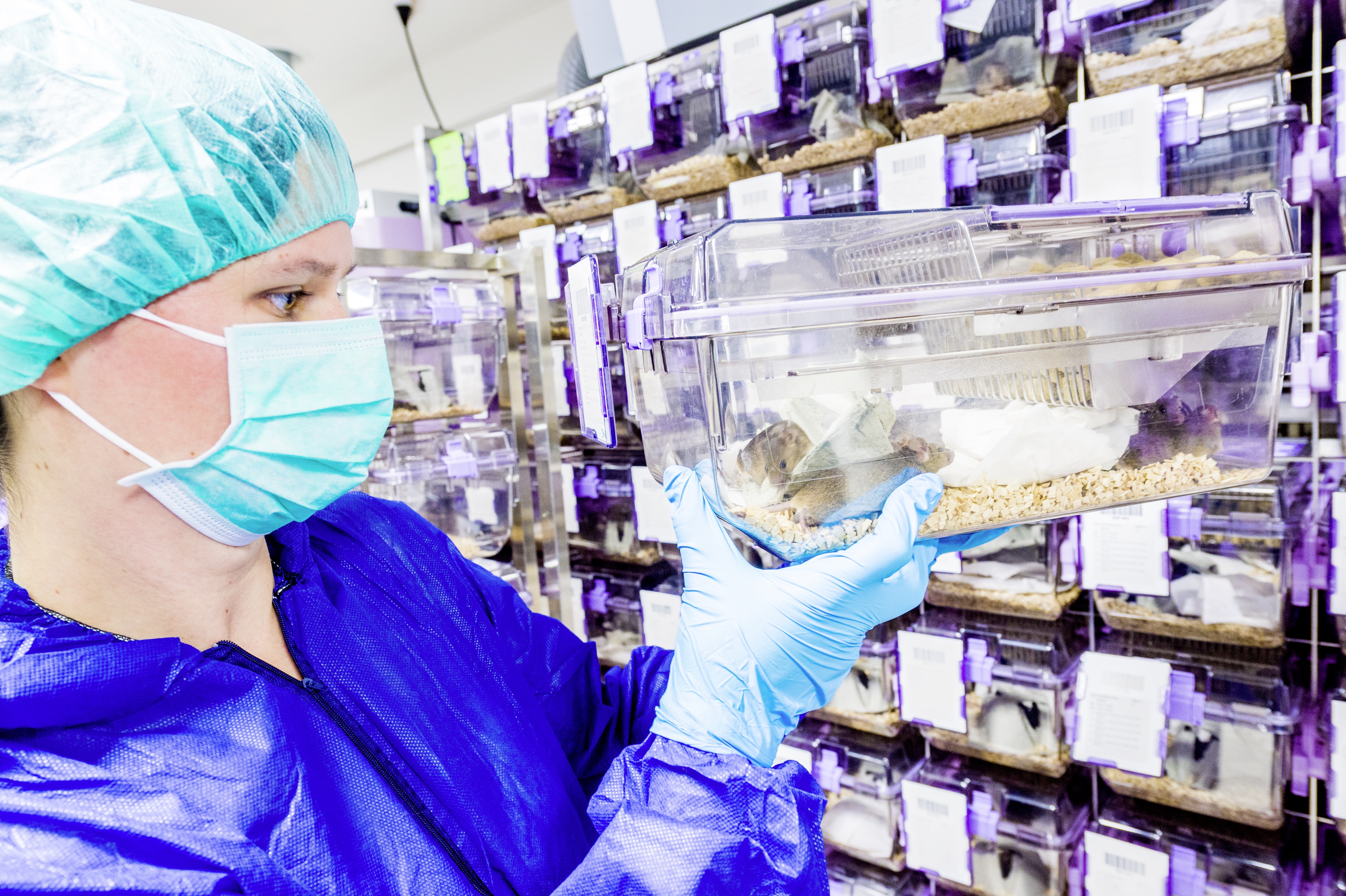
The Laboratory Animal Centre (LASC) is the University of Zurich’s central centre of excellence for the breeding, housing and care of laboratory animals. It provides state-of-the-art housing facilities for around 65,000–75,000 laboratory animals, mostly rodents, with very high standards of hygiene and animal welfare. The LASC supports researchers with issues relating to the care and use of laboratory animals, as well as animal husbandry and veterinary medicine. The welfare of laboratory animals lies at the heart of the work of the LASC's nearly 100 staff members, who work in areas such as animal care, veterinary services, logistics, IT and administration.
- Locacion: UZH Campus Schlieren, Wagistrasse 13a, 8952 Schlieren
- Duration: approx. 2.5 hours
- Group size: max. 8 people
- Dates: upon request
- More about the LASC here
UZH Department of Physiology / Zurich Integrative Rodent Physiology (ZIRP): Insights into animal husbandry, animal welfare, and responsible research
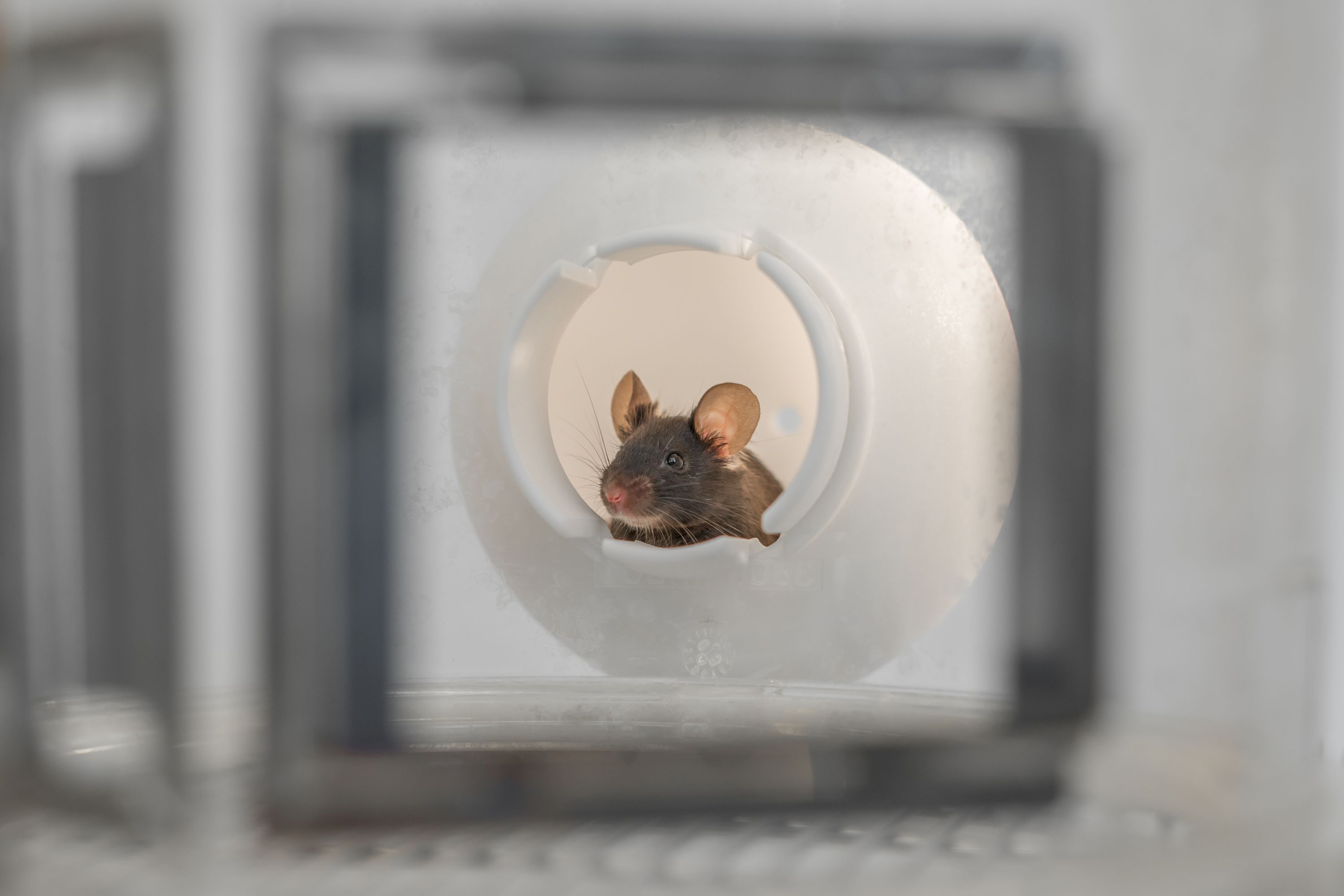
Our Core Facility acts as a link between animal housing, animal welfare and research. We support scientists conducting studies involving laboratory animals, and we are committed to upholding the highest standards of animal welfare, quality and transparency. By combining our expertise with state-of-the-art infrastructure, we help to ensure that research is conducted responsibly, in accordance with the 3Rs principle. The approximately two-hour tour begins with an introduction to our facility's role, as well as the legal and ethical framework for research involving laboratory animals. Participants then gain insights into animal housing and the various methods and areas of experimental research during a guided tour.
- Ort: Department of Physiology, UZH Campus Irchel, Winterthurerstrasse 190, 8057 Zurich
- Duration: 1.5 to 2 hours for introduction, tour of the animal facilities, and discussion
- Group size: 6 -8 people
- Dates: upon request
- Mehr about ZIRP here
UZH Department of Molecular Life Sciences - Neurobiology: Investigating human diseases using zebrafish
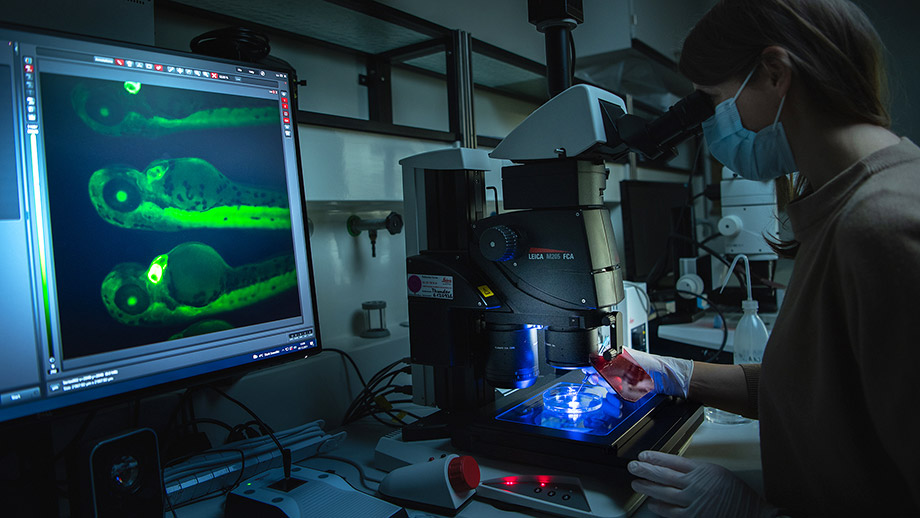
They are only a few centimetres long and seem unremarkable, yet they are invaluable to basic research: zebrafish. The neurobiologist Stephan Neuhauss uses them as model organisms to investigate fundamental biological processes such as eye development, as well as diseases of the visual system and the brain.
- Location: UZH Campus Irchel
- Durcation: approx. 2 hours
- Group size: 1 group of approx. 20 people; guided tour of the fish room/laboratory in groups of up to 8 people (simultaneous tours for 2 to 3 groups are possible)
- Dates: Wednesday afternoons upon arrangement
- More about the institute here
UZH Institute of Pharmacology and Toxicology: Fundamental research into energy metabolism in the brains of mice
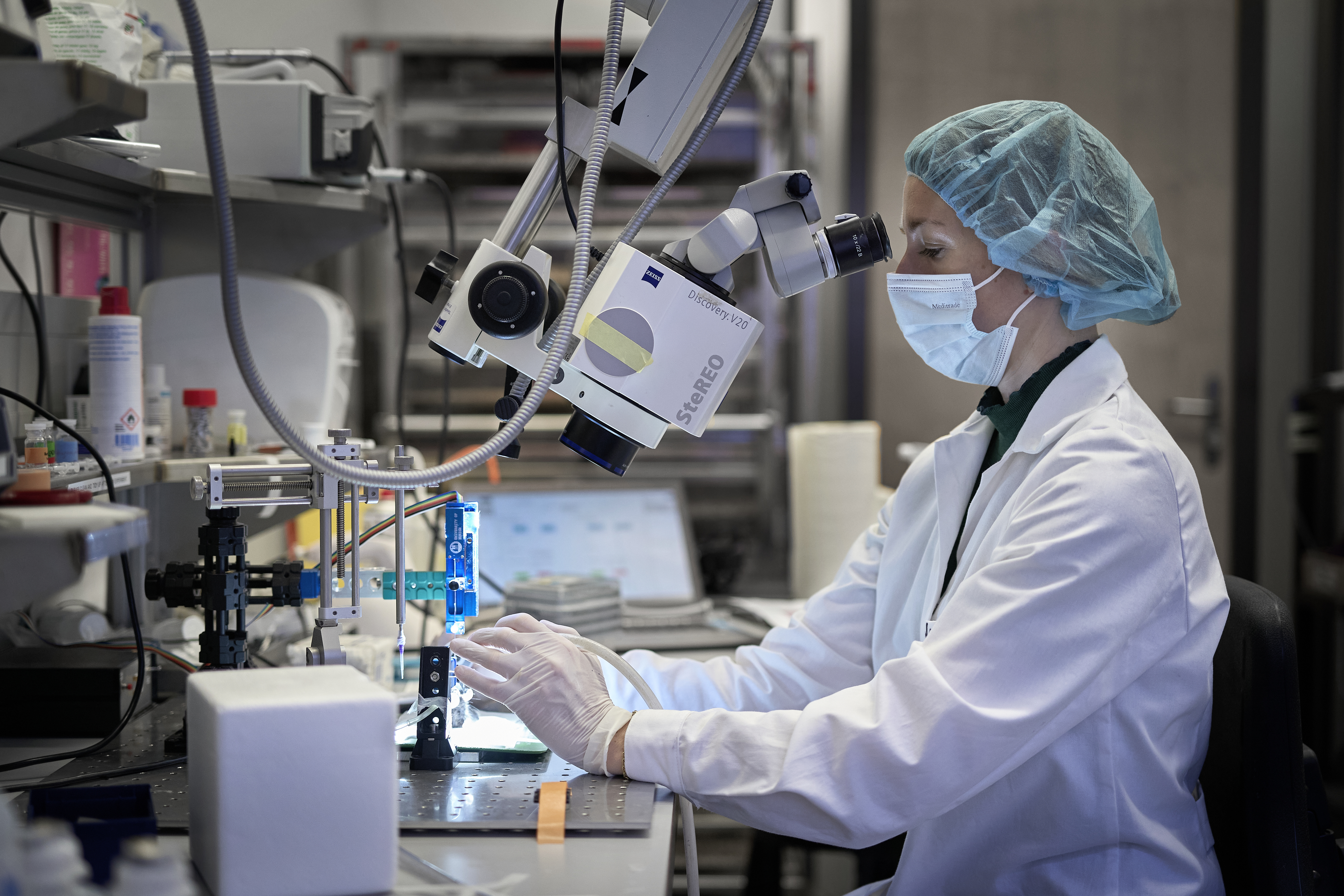
The Experimental Imaging and Brain Metabolism research group is investigating how nerve cells satisfy their high energy demands, which other cells support them in doing so, and the role of blood flow. Using high-resolution microscopy on mice with small windows implanted in their brains, the researchers are studying various processes in order to improve our fundamental understanding of these mechanisms, as well as to gain insight into what happens when these processes are disrupted.
- Location: UZH Campus Irchel
- Duration: approx. 2 hours
- Group size: max. 8–12 people; lab tours in smaller groups of 4–5 people
- Dates: upon request
- More about the research group here
ETH Animal Nutrition Research Group at AgroVet Strickhof - Nutritional physiology and metabolism of farm animals
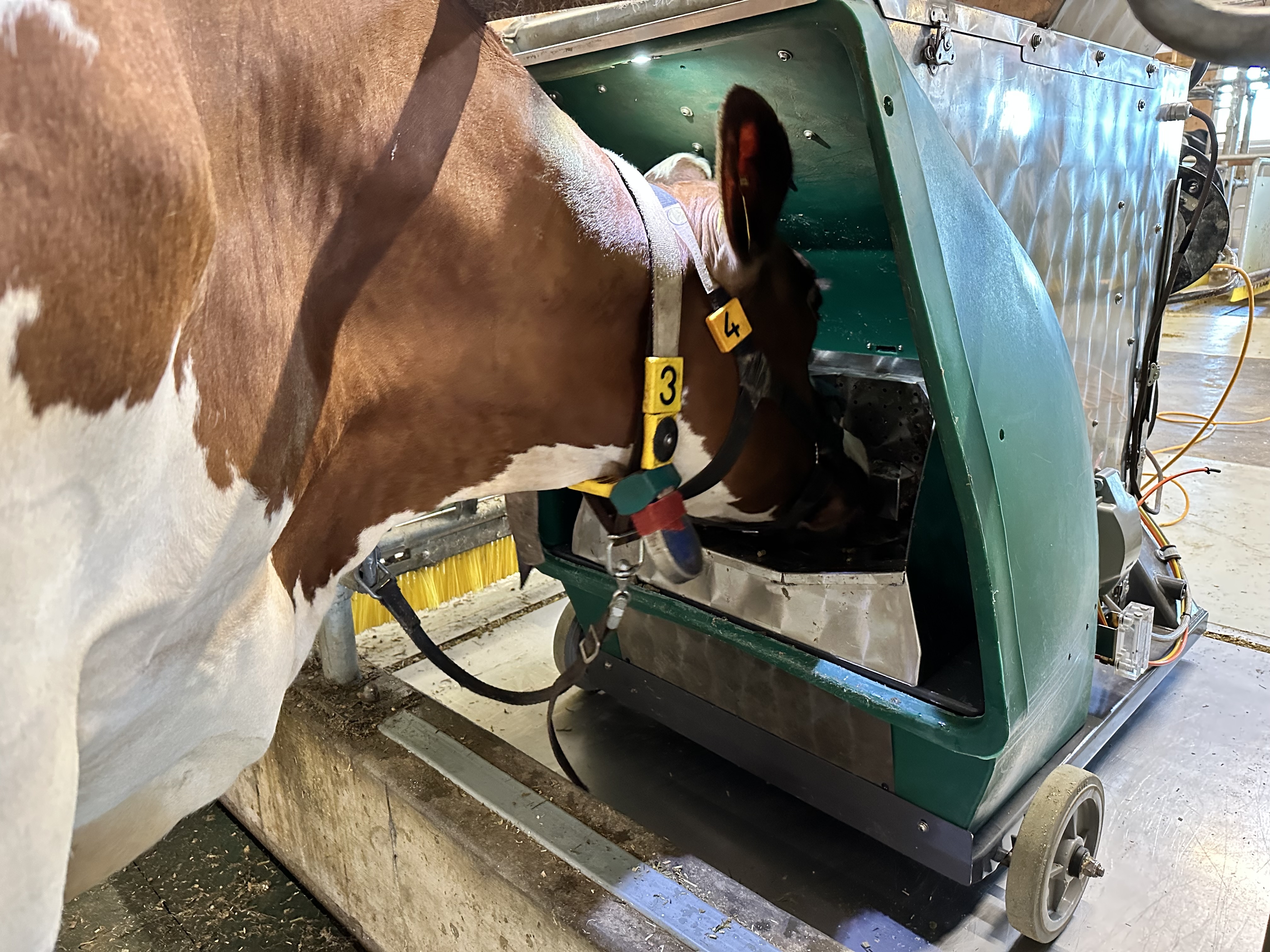
The ETH Animal Nutrition Research Group at AgroVet-Strickhof in Lindau investigates the nutritional physiology, metabolism, and feeding strategies of livestock with a strong focus on sustainability, animal health, and efficient resource use. Visitors gain insights into ongoing experiments, analytical methods, and interdisciplinary research linking animal science, agricultural systems, and environmental impact. Tours include selected laboratory and research areas and provide the opportunity for direct discussion with scientists. Tours are offered in English by default, unless German is specifically requested.
- Location: AgroVet-Strickhof, Eschikon 27, 8315 Lindau (ZH)
- Duration: 2.5 hours
- Group size: Typically suitable for groups of up to 10–15 participants. Larger groups can be accommodated in split groups, depending on the topic and space availability.
- Dates: upon request
- More about the Animal Nutrition Research Group here
UZH Institute of Veterinary Physiology: Neuroscience research on the regulation of food intake and metabolic diseases in rodent models
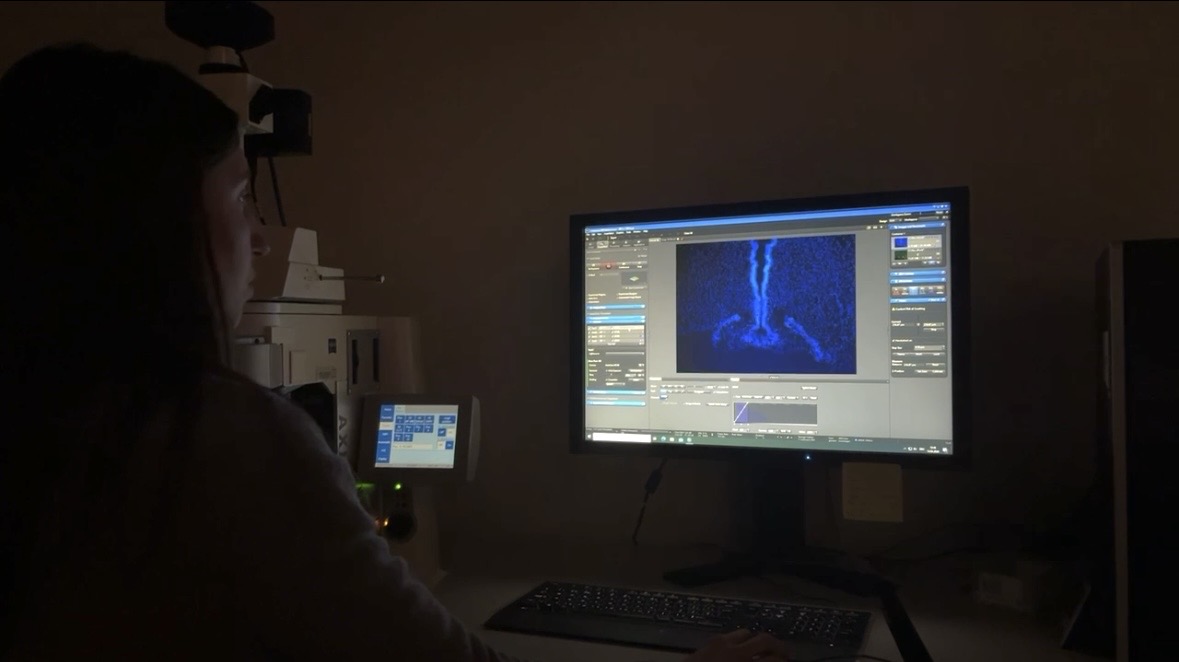
The research group led by Prof. Thomas Lutz at the Institute of Veterinary Physiology is investigating how the brain regulates food intake and the disruptions that occur during the development of metabolic diseases. Understanding these mechanisms is key to developing treatments for metabolic diseases, including weight-loss injections. Our research involves in vivo models (rodents), histological examinations and metabolic tests.
- Location: Institute of Veterinary Physiology, Vetsuisse Faculity UZH, Winterthurerstrasse 204, 8057 Zürich
- Duration: 1 -2 hours
- Group sixe: max. 6 to 8 people
- Dates: upon request
- More about the Institute of Veterinary Physiology here
UZH Institute of Anatomy: Basic research on kidney development and diseases using genetically modified tadpole models

Professor Soeren Lienkamp’s research group is investigating the molecular causes of genetic kidney diseases such as autosomal dominant polycystic kidney disease (ADPKD). Using genetically modified tadpoles of the tropical clawed frog (Xenopus tropicalis) and the African clawed frog (Xenopus laevis), researchers are able to observe the kidneys directly during the larval stage. This allows them to draw conclusions about the mechanisms necessary for normal kidney function that are disrupted in the context of disease.
- Location: Insitute of Anatomy, UZH Campus Irchel, Winterthurerstrasse 204, 8057 Zürich
- Duration: 1 hour for a short presentation, Q&A, and a guided tour of the clawed frog facility
- Group size: 6 people
- Dates: upon request
- More about the Lienkamp Lab here
UZH Nano-antibody Service Facility (NSF): Core facility for production and selection of highly specific single-domain camelid antibody fragments
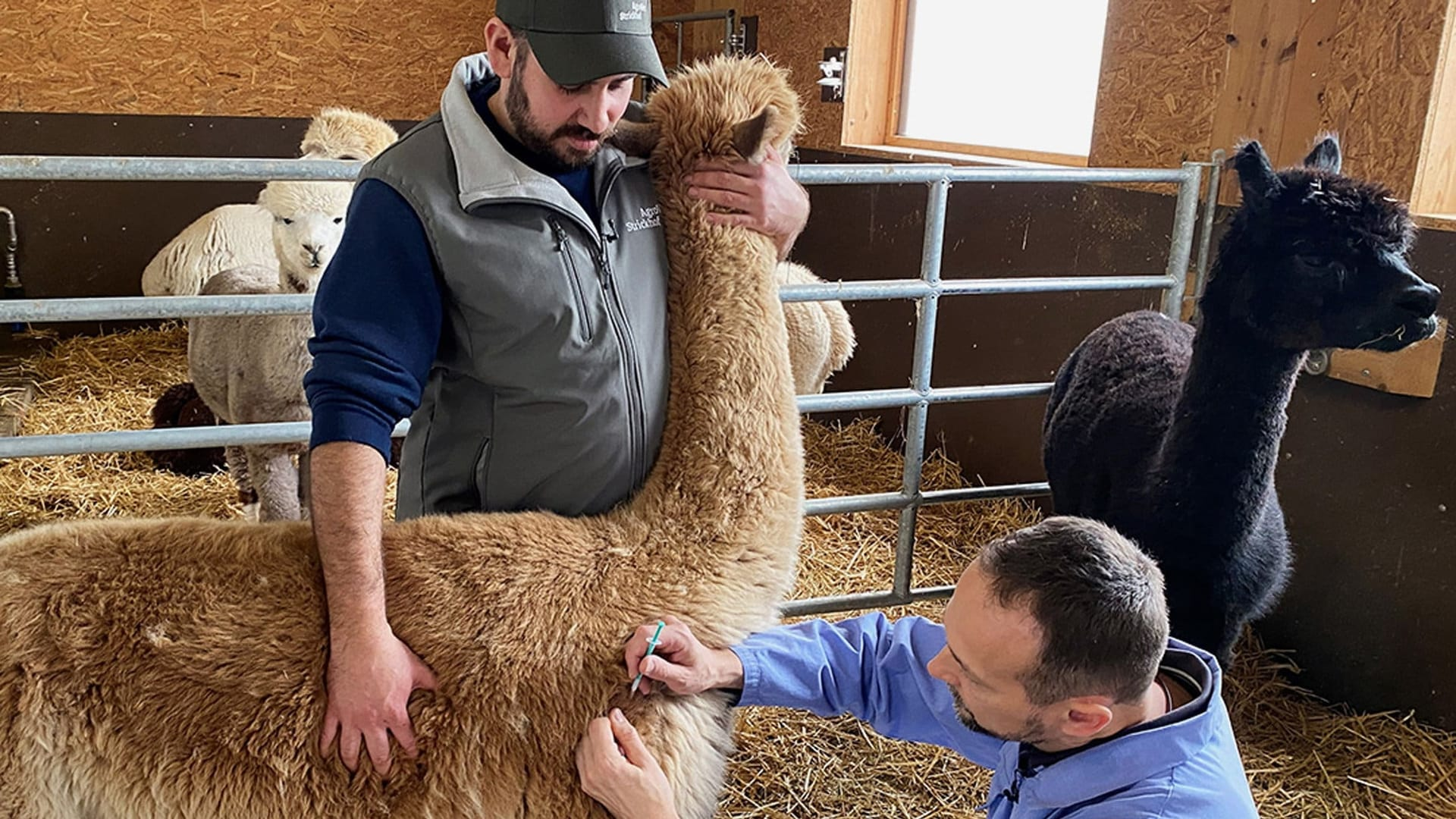
Antibodies are proteins produced by immune cells in response to foreign substances known as antigens. In the body, they serve to neutralise these molecules and ward off disease. In research, they are used for a wide range of applications, such as labelling and identifying target proteins, altering their function or deactivating them. At the Nano-Antibody Technology Platform we utilise the immune system of alpacas which, in addition to conventional antibodies, also possess special antibodies with a simpler structure. This enables us to produce their antigen-binding fragments (VHH, nano-antibodies) in the laboratory. Nano-antibodies offer a wide range of advantages for use in research, as well as in diagnostic and therapeutic applications in human and veterinary medicine. Tours are usually conducted in English.
- Locaction: AgroVet-Strickhof, Eschikon 27, 8315 Lindau (ZH)
- Duration: 1 - 2 hours for an introduction to nanoantibody technology, tour of the labs (limited access to the labs—depending on group size), and a visit to the alpaca stables, followed by a discussion
- Group size: max. 15 people
- Dates: upon request
- More about the UZH Nano-Antibody Technology Platform here
USZ Institute for Infectious Diseases: Immunotherapy and gene therapy research on HIV using humanized mouse models
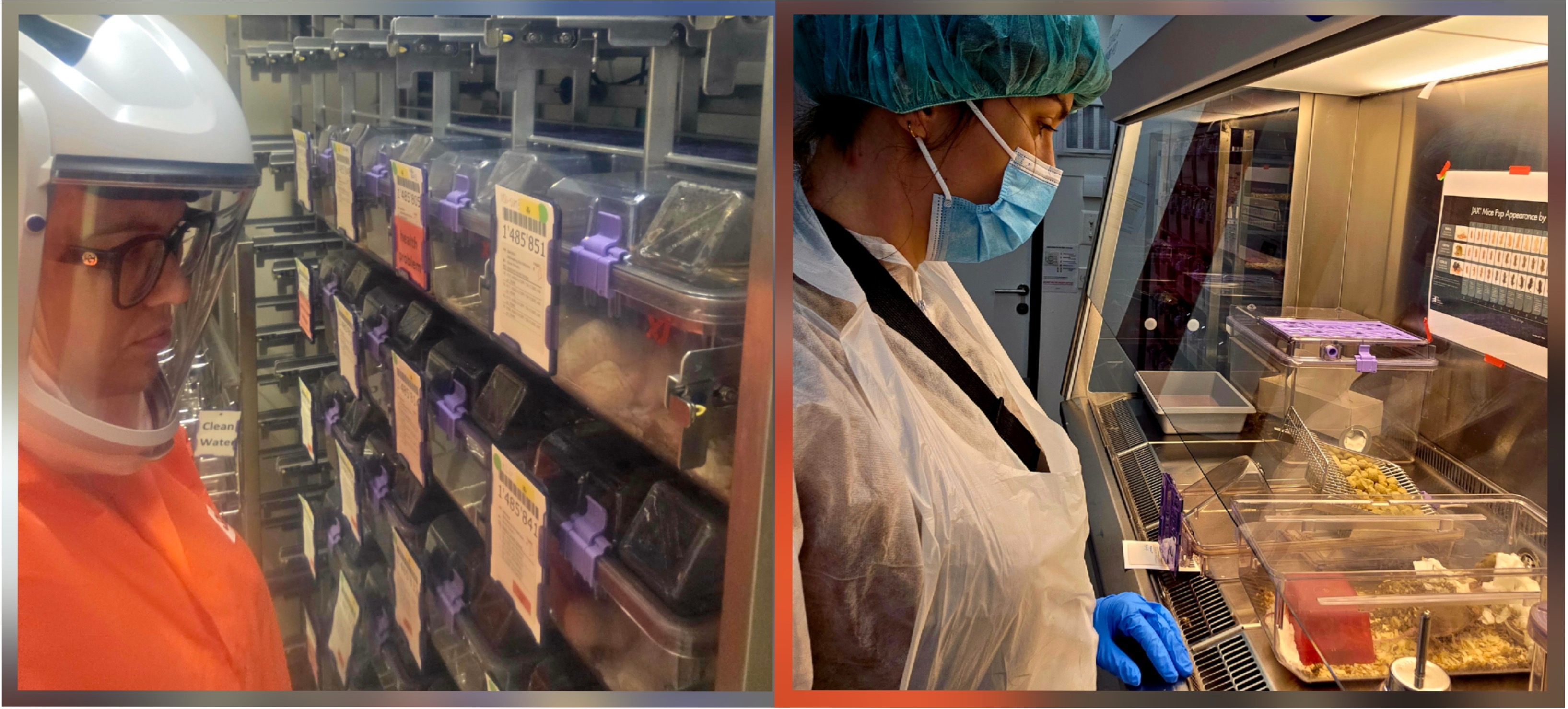
Our primary goal is to gain a comprehensive understanding of HIV pathogenesis and the complex immune networks involved. We also aim to further explore the potential of genetic engineering and to provide preclinical evidence for the feasibility of future clinical trials. A key part of our work involves using humanized mice as a model to realistically study HIV and investigate potential cures. Our active research initiative in experimental HIV medicine focuses particularly on immunotherapies and the development of an HIV-resistant immune system using genetic engineering. We employ a wide range of in vitro and in vivo methods in this work. Visitors can gain insights into ongoing experiments, analytical methods and research. The tours include selected laboratory and research areas, offering visitors the opportunity to engage in a dialogue with scientists.
- Location: UZH Campus Irchel, Winterthurerstrasse 190, 8057 Zürich
- Duration: open
- Group size: max. 2 people
- Dates: upon request
- More about the USZ Institute for Infectious Diseases here
- Department of Soft Tissue and Surgical Oncology, Division of Small Animal Surgery: Clinical Cancer Research and Innovative Imaging for Tumor Diseases
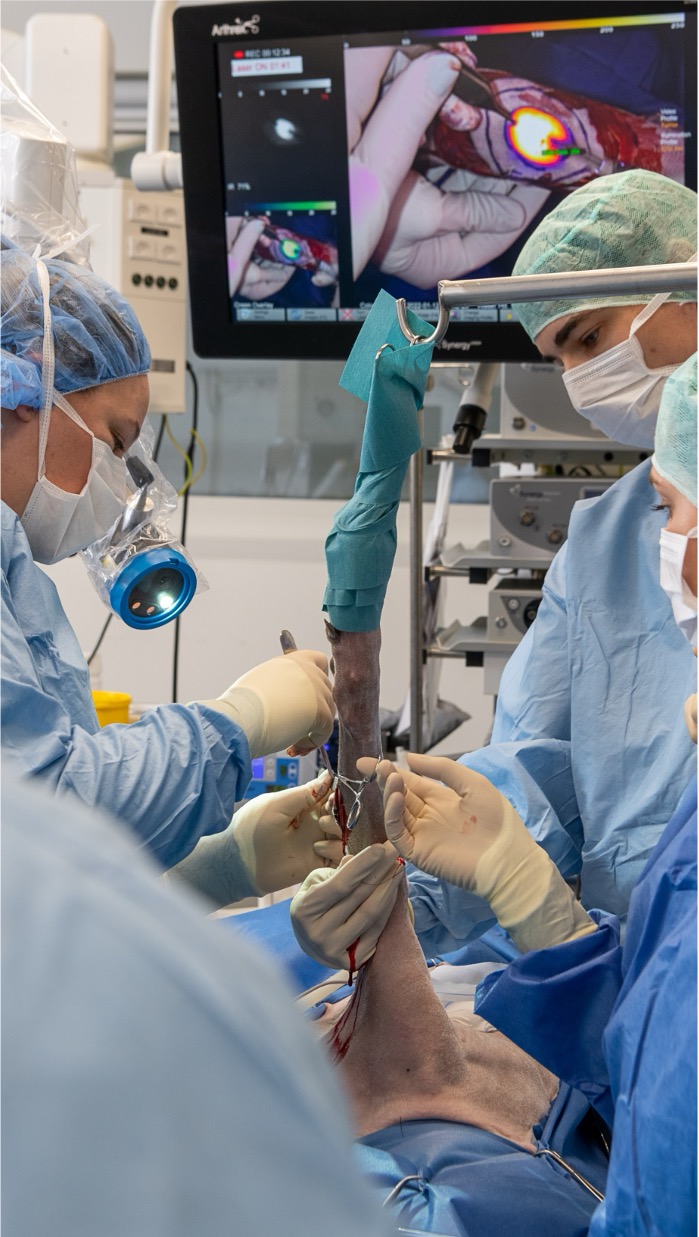
The Department of Soft Tissue and Tumour Surgery at the Small Animal Surgery Clinic of the Vetsuisse Faculty conducts clinical studies aimed at improving tumour treatment in dogs, while also generating important insights for human medicine. The department has a particular focus on innovative procedures, such as the use of fluorescent dyes to make tumour tissue more visible during diagnostic and surgical procedures, enabling it to be treated more precisely. During the tour, participants will gain insight into the processes at the veterinary clinic, the technologies used and how clinical practice and research are closely integrated. The tour will be complemented by short presentations on current studies and research projects, and there will be an opportunity to engage directly with experts. The aim is to emphasise the importance of clinical research in developing new therapies and demonstrate how findings from veterinary medicine can contribute to improving treatment in humans.
- Location: Small Animal Clinic, University Animal Hospital, Winterthurerstrasse 260, 8057 Zurich
- Duration: 2 hours
- Group size: max. 40 people
- Dates: upon request
- More about the Small Animal Surgery Clinic at the Vetsuisse Faculty here
Focus on alternative methods
- UZH Institut of Veterinary Anatomy: Animal anatomy: clear, accessible, innovative, and up-to-date
- UZH Institute for Regenerative Medicine (IREM)/iPSCore: Stem cell research for new therapies and alternative methods
- USZ Department of Obstetrics: Amniotic Membranes, Tissue Models and Biomaterials: Research for Human and Animal Welfare
UZH Institut of Veterinary Anatomy: Animal anatomy: clear, accessible, innovative, and up-to-date
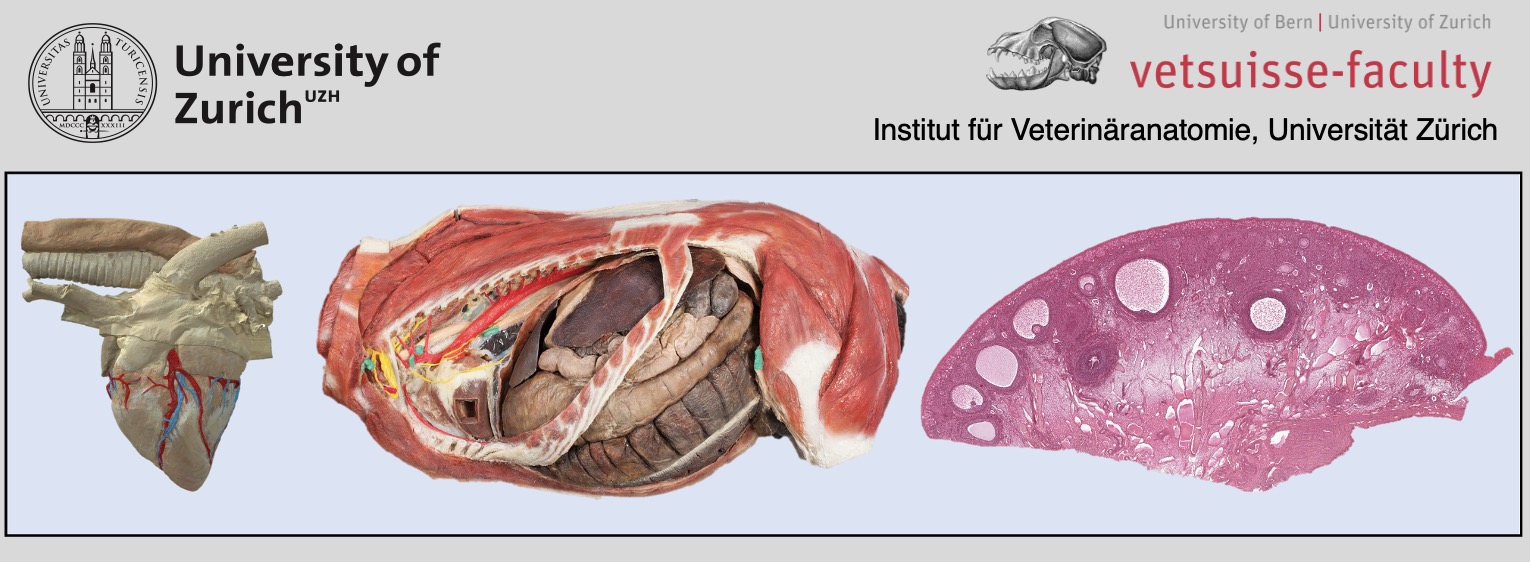
Anatomy reveals the structural diversity of human and animal bodies resulting from evolution. Understanding normal and pathological bodily processes requires an understanding of anatomy, which forms the fundamental basis of medicine. In veterinary anatomy, we work with donated animal bodies and use a process called plastination to make anatomical structures clear and comprehensible. Natural body parts are displayed and permanently preserved through impregnation with a synthetic polymer. Plastination is therefore an important part of our 3R approach, supporting teaching by improving spatial understanding. Additionally, anatomical specimens are digitally captured using high-resolution 3D scanning technology and subsequently reproduced. These models are available as physical replicas and as interactive, freely rotatable computer representations for use in teaching and research (see here). The Anatomage® platform enables virtual dissection, in which anatomical structures can be displayed interactively in 3D, layered and analysed in detail. These new techniques allow students to study three-dimensional anatomical structures on both durable, high-quality specimens and on computers.
- Location: Institue of Veterinary Anatomy, Vetsuisse Faculty UZH, Winterthurerstrasse 260, 8057 Zürich
- Duration: approx. 1 hour
- Group size: max. 25 people
- Dates: upon request (in the afternoon, preferably outside of the academic term)
- more about the Institute of Veterinary Anatomy here
UZH Institute for Regenerative Medicine (IREM)/iPSCore: Stem cell research for new therapies and alternative methods
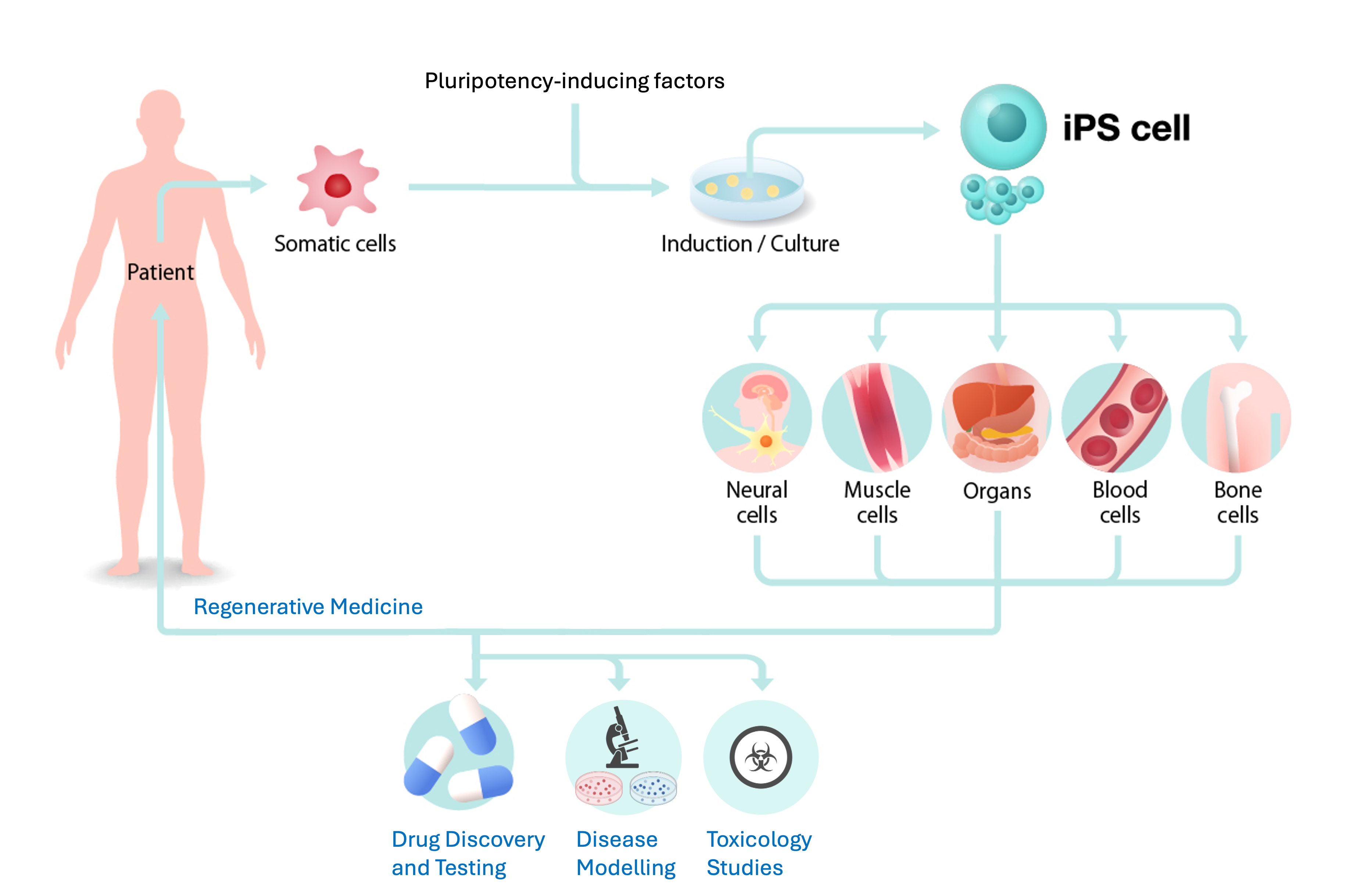
During an interactive lab tour, visitors gain insights into modern biomedical research and learn how induced pluripotent stem cells (iPS cells) are generated and used to study diseases and develop new therapies. We also demonstrate how advanced stem cell technologies and human cell models can help to partially replace or reduce animal testing, enabling more patient-relevant research approaches. In addition to a brief introduction to the fundamentals of stem cell research, the visit includes demonstrations of current laboratory techniques and equipment. The aim is to provide a deeper understanding of the exciting potential of regenerative medicine while offering an authentic glimpse into everyday research practice.
- Location: Institute for Regenerative Medicine, UZH Campus Schlieren, Wagistrasse 12 (9th floor), 8952 Schlieren
- Duration: 2–2.5 hours for an introduction and tour of the lab facilities, including a demonstration
- Group size: up to 10 people
- Dates: upon request
- More about the Institute for Regenerative Medicine (IREM)/iPSCore here
USZ Department of Obstetrics: Amniotic Membranes, Tissue Models and Biomaterials: Research for Human and Animal Welfare

The research group of Prof. Martin Ehrbar at the Department of Obstetrics investigates the development, physiology and healing of human amniotic membranes. Another focus is the development of biomaterials for the creation of tissue models, which help reduce the number of animal experiments, as well as for the treatment of tissue defects in amniotic membranes and bone. During the visit, participants gain insights into current biomedical research, the development of alternative methods, and the practical implementation of the 3Rs principles (Replace, Reduce, Refine).
- Location: University Hospital, Schmelzbergstrasse 12, 8091 Zurich
- Duration: 1–2 hours for tour of the laboratories, presentation of the research approaches, and discussion with reseachers
- Group size: max. 6-8 participants
- Dates: upon request, 1-2 times per year
- More about the EhrbarLab here